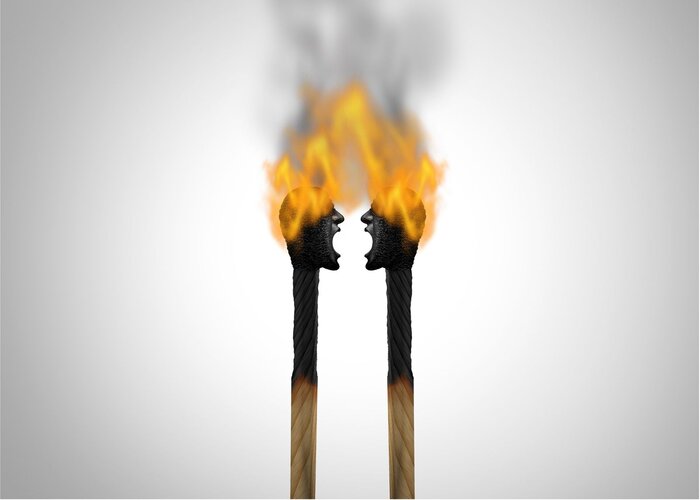
Where the Fire Lives in the System
Anger almost never announces itself.
Not at first.
Long before a client speaks, the nervous system whispers:
a tightening in the diaphragm,
a subtle withdrawal of the eyes,
a sympathetic push that collapses into stillness.
To the untrained eye, these signals look like calm.
To a somatically and polyvagal-informed clinician, they reveal something else entirely — mobilisation rising and being quickly suppressed, the body interrupting its own impulse to protect connection.
Clients who learned early that anger endangered attachment did not lose their fire.
They learned to contain it.
The heat moved inward —
into muscle tension,
into compliance and perfectionism,
into vigilance, collapse, or self-erasure.
This workshop begins here: with anger not as pathology, but as protective energy — a sacred fire that has gone underground, waiting to be tended rather than extinguished.
A Clinical Orientation: How We Will Work
Across two evenings, this training offers a clear, compassionate clinical pathway for working with suppressed anger using an integrated framework drawing from Internal Family Systems, somatic awareness, mindfulness, and polyvagal-informed neuroscience.
Rather than managing anger once it erupts, we will focus on learning how to track it while it is still hidden — in the nervous system, in protective parts, and in the relational field. Clinicians will be taught what to notice before anger becomes explicit: shifts in breath, muscle tone, autonomic state, protector strategies, and the therapist’s own somatic responses.
The emphasis throughout is on tending the inner fire — helping clients experience anger as a source of vitality, boundary, and truth, rather than something to fear, suppress, or act out.
For Therapists Who Sense What’s Happening Beneath the Calm
Every experienced clinician has encountered this presentation.
Thoughtful.
Measured.
Highly self-aware.
Never reactive.
Never “angry.”
And yet the room warms.
There is pressure without words.
Activation without expression.
A sense of something held just below awareness.
This training is for therapists who have sensed this emotional architecture — even fleetingly — and who want greater clarity and confidence in working with anger that quietly organises the system, shaping relationships long before it is ever named.
Mara (not her real name)
Mara entered therapy with exhaustion so profound it felt diagnostic. She was articulate, conscientious, perpetually apologetic.
She apologised when she cried — and when she didn’t.
Over time, Stacy noticed subtle physiological shifts: a brief freezing of the breath, tightening across the diaphragm, a faint tremor beneath the sternum. These were not signs of fragility, but of suppressed mobilisation — protective anger redirected inward over many years.
When Stacy gently reflected, “Something in you feels hot,” a tear escaped: quick, sharp, involuntary.
“I don’t get angry,” Mara said quietly.
“I get small.”
Beneath the stillness lived fire —
anger at boundaries never honoured,
at betrayals endured silently,
at parts who believed anger would cost her love.
Mara didn’t need anger management.
She needed help tending a fire that had been carrying her strength alone.
This workshop teaches clinicians how to recognise that fire early — and how to work with it safely, compassionately, and without overwhelm.
What You’ll Learn to Track and Tend
Across two evenings, you will develop clinical skill in recognising the signature patterns of suppressed anger — physiological, psychological, and relational cues that often appear long before anger becomes explicit.
You will learn to:
- Follow the fire, not the narrative
Track somatic signals of anger hidden beneath calm, compliance, perfectionism, collapse, or self-effacement.
- Map fiery protectors through an IFS lens
Identify common roles — inner warriors, controllers, enforcers, people-pleasers, perfectionists — and understand what they protect.
- Work with heat thresholds
Recognise when anger approaches internal limits that lead to dissociation, shutdown, or over-regulation.
- Cultivate heat-tolerant, Self-led presence
Stay grounded and relational as anger begins to surface, withdraw, or intensify.
- Engage anger through somatic and mindfulness-based micro-practices
Use breath, pacing, orientation, and embodied attention to support safe connection with fiery emotional states.
- Differentiate anger from other forms of activation
Discern when the nervous system signals fear, procedural memory, or collapse rather than true assertive energy.
Mapping the Journey: Two Evenings of Integration
Evening One — Understanding and Befriending the Inner Fire
We explore anger through the IFS lens as protective energy: what it guards, how it polarises with compliance or shame, and how suppression becomes a survival strategy.
You will learn to recognise early mobilisation cues, understand the cost of long-term containment, and see how underground anger migrates into exhaustion, self-attack, and loss of voice.
The focus is on curious, compassionate contact — meeting the fire without being burned by it.
Evening Two — Transforming Fire into Allyship
The second evening focuses on transformation: how angry protectors can shift from defence to ally when met with permission, unblending, and Self-energy.
We explore how to tend anger as a steady inner hearth rather than a wildfire — helping clients reclaim anger as clarity, boundary, and life force without acting it out or shutting it down.
What Makes This Work Distinctive
Most anger trainings focus on control — managing behaviour, reducing intensity, or redirecting expression.
Stacy’s approach is different.
It is about relationship.
How to recognise anger as protection.
How to meet it with curiosity rather than fear.
How to help clients tend their inner fire so it becomes a source of vitality rather than destruction.
Her integrative method weaves together:
- IFS parts work — to understand who carries the fire
- Somatic and polyvagal awareness — to sense where it lives in the body
- Mindfulness and embodiment — to support presence without overwhelm
As Stacy often reminds clinicians:
“Anger isn’t the problem. Feeling alone with anger is.”
The Clinical Shifts You’ll Experience
By the end of the workshop, you will be able to:
- recognise suppressed anger even in highly composed clients
- help clients sense anger in the body before naming it
- work with angry protectors without fear or escalation
- cultivate Self-energy qualities — courage, clarity, compassion — in the presence of fire
- support healthy assertiveness and boundary expression
- prevent anger from turning inward into shame, exhaustion, or collapse
- use your own somatic responses as clinical information rather than alarm
These are skills clinicians bring into practice immediately — often with their very next client.
Why This Training Matters Now
We live in a culture that rewards composure and punishes anger.
Many clients excel, adapt, and over-function while carrying unexpressed fury in their breath, musculature, and relationships. Women, in particular, have been taught to be nice rather than assertive; trauma survivors to be quiet rather than alive.
Anger is returning to the consulting room not as behaviour, but as signal — a sign that the self is asking to be heard.
Therapists need the skill to meet that emergence with steadiness, respect, and Self-leadership.
As Stacy says:
“The most contained clients are often carrying the most fire. This training is an invitation to stop fearing the flames and learn how to tend them — so anger becomes truth, vitality, and inner authority rather than something that must stay buried.”
© nscience UK, 2025 / 26